Regular Auto Repair's Significance: Maintaining Your Vehicle in Peak Condition
Regular auto repair is crucial for maintaining vehicle performance and longevity. Many car owners neglect the value of routine maintenance, which can cause minor issues developing into major problems. Proactive care not only enhances safety but also leads to better fuel efficiency and higher resale value. As vehicles age, the need for ongoing attention becomes even more clear. Understanding the effects of neglecting these repairs is critical for any owner seeking reliability.
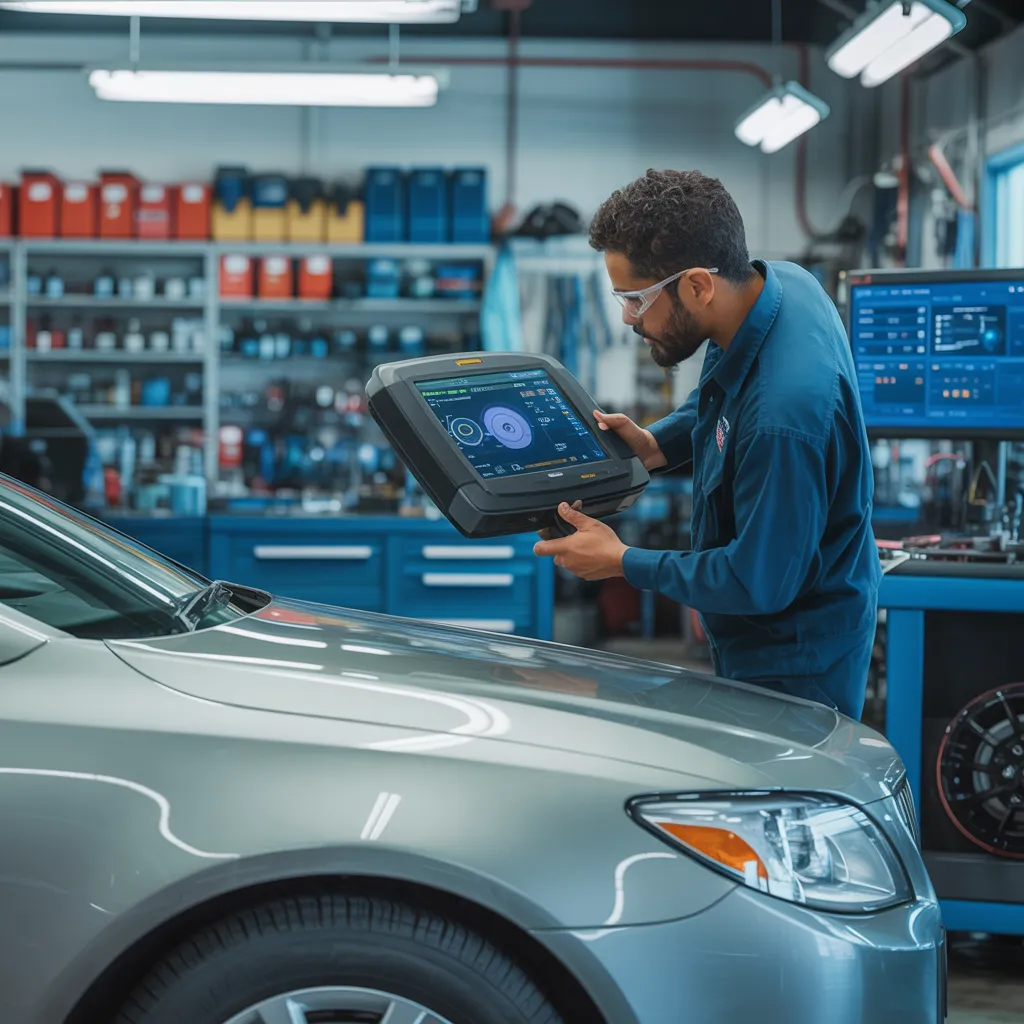
Why Consistent Auto Repair Is Vital for Your Vehicle
Routine auto repair is essential for maintaining a vehicle's longevity and performance. When drivers focus on regular maintenance, they guarantee that their automobiles operate efficiently and smoothly. This proactive approach can prevent minor issues from developing into major problems that might demand costly repairs. Scheduled examinations, oil changes, and brake inspections contribute to the overall health of the vehicle, enabling it to perform at its best.
In addition, regular auto repair assists in spotting potential safety hazards early on. By addressing issues such as deteriorated tires or malfunctioning lights promptly, drivers can avert accidents and secure their safety on the road. Moreover, maintaining a vehicle's condition can enhance its resale value, appealing to potential buyers who seek well-maintained cars. In conclusion, consistent auto repair is vital for upholding a vehicle's functionality, safety, and value, making it an essential aspect of responsible vehicle ownership.
Primary Advantages of Forward-thinking Maintenance
Although numerous car owners might neglect the importance of proactive maintenance, its advantages are significant and far-reaching. Regular maintenance serves to prolong the lifespan of a vehicle by ensuring that all components perform efficiently. By handling minor issues before they escalate into major problems, owners can avoid substantial repair costs in the long run. In addition, proactive maintenance can enhance fuel efficiency, which directly influences overall operating expenses.
In addition, upholding a regularly serviced vehicle can boost its resale value, making it more enticing to interested buyers. This practice also facilitates a more pleasant driving experience, improving overall comfort and delight for the driver and passengers. Lastly, proactive maintenance encourages a sense of responsibility and care for the vehicle, leading to a more informed owner who is familiar with their automobile's condition. To summarize, the merits of proactive maintenance are considerable, highlighting its essential role in vehicle ownership.
How Scheduled Inspections Enhance Safety
Preventive maintenance not only increases a vehicle's lifespan but also plays a vital role in enhancing safety. Regular check-ups ensure that critical components such as brakes, tires, and lights are functioning at maximum performance. By identifying potential issues before they escalate, mechanics can address problems that may compromise a driver's ability to respond effectively in emergencies. For instance, worn brake pads can significantly increase stopping distances, while improperly inflated tires can lead to loss of control. Moreover, routine inspections can uncover hidden hazards, such as fluid leaks or faulty wiring, which could pose serious risks on the road. Additionally, verifying that safety features like airbags and seat belts are in working order provides peace of mind for both drivers and passengers. Ultimately, a commitment to regular check-ups fosters a culture of safety, significantly reducing the likelihood of accidents and increasing overall driving confidence.
What Happens If You Neglect Auto Repairs?
Ignoring auto repairs can cause escalating costs as simple issues transform into major problems. similar article Additionally, ignoring necessary maintenance increases safety risks for both the driver and others on the road. The consequences of such neglect can be both financially expensive and dangerous.
Elevated Fix Charges
Car maintenance is commonly perceived as a required nuisance, yet neglecting them can result in considerably higher costs over time. When minor issues, such as a slight leak or deteriorated brake pads, are ignored, they can escalate into major problems needing major repairs. For instance, a ignored oil change can result in engine damage, bringing about high-cost replacements. Additionally, deferring repairs can compromise the vehicle's efficiency, resulting in greater fuel expenditure and more financial stress. Scheduled maintenance not only avoids these issues but also increases the durability of the vehicle. In the end, preemptive automotive repairs can preserve car owners substantial sums of money, making it a prudent investment in their vehicle's lasting condition and functionality.
Safety Concerns at Stake
When automotive repairs are put off, the security of everyone in the vehicle can be threatened. Ignoring essential upkeep, including brake checks or tire changes, may result in severe malfunctions. As an illustration, worn brakes may not respond effectively, elevating the risk of crashes. Likewise, smooth tires may result in lessened road contact, particularly during inclement weather, increasing the danger of sliding or losing control. Furthermore, ignoring warning lights on the dashboard could signal critical hidden problems that may undermine vehicle capability. Ultimately, regular auto repairs are essential not only for prolonging vehicle life but also to protect everyone in the vehicle. Making safety a priority with prompt maintenance can prevent hazardous situations on the road.
Recognizing Indicators Your Vehicle Demands Immediate Attention
What are the ways a driver can recognize if their vehicle is struggling? Various essential warning signs demand swift attention. Uncommon noises, such as grinding, squealing, or clunking, typically suggest mechanical complications. Moreover, alert lights on the instrument panel, such as the check engine light, shouldn't be disregarded, as they can reveal significant problems. Motorists might also observe alterations in handling or performance, like steering difficulties or decreased acceleration, which may indicate brake or transmission problems. Fluid leaks beneath the automobile, be it oil, coolant, or other liquids, are additional indicators that something is wrong. In conclusion, abnormal scents, such as burning rubber or sweet antifreeze, point to potential risks that demand swift inspection. Identifying these indicators promptly can help avoid major damage and ensure the automobile stays safe for use. Regular vigilance and timely repairs are crucial to maintaining a reliable automobile.
How Preventative Care Saves You Money
Proactive automotive care holds a vital position in lowering ongoing costs for those who own vehicles. By promoting early detection of concerns, it avoids trivial matters from advancing into high-priced repairs. Furthermore, consistent maintenance leads to extended car lifespan and improved gas mileage, thereby amplifying cost reductions.
Early Issue Recognition
Though many car owners may neglect routine maintenance, early problem detection through preventative care can significantly reduce long-term repair costs. By regularly examining key components such as brakes, tires, and fluids, mechanics can spot minor issues before they escalate into major repairs. For instance, a small oil leak discovered during an oil change can be handled swiftly, preventing engine damage and costly replacements. Additionally, addressing worn brake pads early can improve safety and avoid rotor damage. Regular check-ups not only prolong the vehicle's lifespan but also foster a proactive approach to car ownership. In the end, investing time and money in preventative care is a sensible decision that safeguards against unexpected expenses and guarantees a smoother, more reliable driving experience.
Improved Vehicle Durability
Consistent maintenance not only assists in early defect discovery but also fulfills a critical role in enhancing vehicle durability. By maintaining a consistent service timeline, vehicle owners can effectively lengthen the lifespan of their automobiles. Routine tasks such as oil changes, tire rotations, and brake inspections prevent minor issues from escalating into major repairs, which can be costly. Furthermore, maintaining essential parts in optimal condition ensures that the car runs smoothly and securely. This forward-thinking method not only protects the car's worth but also strengthens reliability, decreasing the likelihood of surprise breakdowns. Ultimately, investing in regular auto repair translates into significant savings over time, making it a wise financial decision for any vehicle owner.
Superior Fuel Performance
Enhanced fuel efficiency is a major benefit of routine auto maintenance that can lead to substantial savings for vehicle owners. Scheduled inspections and timely repairs guarantee that critical components, such as the engine, air filters, and tires, perform at optimal performance. A well-maintained vehicle typically achieves less friction and better combustion, leading to improved gas mileage. Furthermore, addressing issues like under-inflated tires or dirty fuel injectors can prevent unnecessary fuel consumption. Preventive care not only improves performance but also leads to reduced emissions, benefiting the environment. By investing in regular maintenance, car owners can benefit from lower fuel costs and extend the lifespan of their vehicles, ultimately producing greater financial savings over time. Emphasizing fuel efficiency is a smart choice for any vehicle owner.
Building an Auto Repair Maintenance Schedule
Developing an well-planned auto repair maintenance schedule is essential for vehicle lifespan and performance. A well-structured schedule assists vehicle owners keep organized and proactive in handling maintenance requirements. It typically incorporates regular oil changes, tire rotations, and brake inspections, synchronized with the producer's recommendations.
To create a personalized schedule, owners should assess their driving behaviors, climate circumstances, and the vehicle's age. Logging maintenance tasks in a calendar or digital app can aid in tracking service dates and mileage intervals.
Furthermore, scheduling seasonal checks, such as battery health ahead of winter or air conditioning inspections before summer, can help avoid unexpected breakdowns.
Eventually, a thorough maintenance schedule not only enhances safety but also boosts the vehicle's resale value. By adhering to this schedule, owners can ensure their cars remain consistent and efficient over time.
FAQ
How Often Do I Need to Take My Car for a Check-Up?
Professionals suggest taking a automobile for a service every five thousand to seven thousand five hundred miles, or at least twice a year. Regular inspections help detect potential problems early, guaranteeing optimal performance and prolonging the vehicle's lifespan.
Is It Feasible to Conduct My Own Auto Repairs?
Individuals can carry out their own vehicle repairs provided they have the required skills, tools, and expertise. That said, vigilance is suggested, as faulty repairs can cause safety problems and extra damage to the automobile.
Which Tools Do I Need for Basic Car Maintenance?
To perform basic car maintenance, you need essential tools like a socket set, wrenches, screwdrivers, pliers, an oil filter wrench, a jack, jack stands, and a tire pressure gauge to ensure proper and safe repairs.
Are There Particular Auto Repair Shops You Suggest?
He proposed investigating local auto repair shops with excellent reviews, checking online platforms including Yelp or Google, and requesting friends for recommendations. Quality and reliability are crucial when picking a shop for vehicle maintenance.
What's the Best Way to Find a Trustworthy Mechanic?
To find a dependable mechanic, it's advisable to obtain recommendations from family or friends, review online reviews, check certifications, and check out shops for initial consultations to assess professionalism and customer service before making a decision.